3 hr
Alhambra & Nasrid Palaces Guided Tour with Entry Tickets
- Expert local guide
- Small group
- Skip-the-line access
Alhambra Private Tour Guide — Nasrid Palaces & Generalife Access
Stucco carved like lace, water counting the hours.
Compare fares, pick the fit — all bookings are mobile-voucher and eligible for free cancellation where shown.
3 hr
3 hr
3 hr
Selecting the right access level for your visit is essential to experiencing this UNESCO heritage site properly with an alhambra private tour guide. Whether you prioritize a complete circuit or a specific garden-focused walk, understanding these official ticket types ensures a seamless experience.
|
Top pick Alhambra General Complete Monumental Complex |
Gardens and Generalife Gardens and Palace Only | |
|---|---|---|
| Areas included | Nasrid Palaces, Alcazaba, Generalife, Gardens | Generalife and Gardens only |
| Entrance fee | 19.09 EUR | 19.09 EUR |
| Access method | Timed entry for Nasrid Palaces | General access |
| Average visit duration | 3 hours | 1.5 hours |
| Best for | First-timers exploring city landmarks | Those seeking a relaxed garden stroll |
| See tickets & prices |
Verdict: For the full experience with an alhambra private tour guide tour, choose the General ticket to ensure access to all Nasrid Palaces as part of your alhambra private tour guide tickets.
Worth it for first-timers, skippable for repeat visitors
The base General ticket for the Monumental Complex costs 19.09 EUR, and that buys you access, not understanding. An alhambra private tour guide adds a fee on top of that, and what you get back is narration through the Nasrid Palaces — the muqarnas vaulting, the Comares Hall inscriptions, the water channels of the Court of the Lions — plus someone steering you through a site where the Generalife gardens, the Alcazaba fortress and the palaces sit on separate ticketed zones with timed palace entry. Guided Granada landmarks options on this page range from small-group walking formats to priority-access versions; each bundles entry, so you are not paying twice. It pays off if you want the Moorish craftsmanship decoded and dislike navigating segmented complexes. Self-guided suits repeat visitors, slow wanderers, and anyone content with an audio commentary and their own pace.
Bottom line: If it is your first visit and the Nasrid Palaces are the reason you came, book the alhambra private tour guide tour; otherwise buy the plain ticket and wander.
They complement each other; most visitors who do both call the alhambra private tour guide tour the more immersive choice for history enthusiasts, while independent visitors favor the flexibility of self-guided exploration.
|
Top pick Private Guided Tour |
Self-Guided Visit | |
|---|---|---|
| Historical Insight | Live expert storytelling | |
| Fixed Schedule | Fixed itinerary and pace | |
| Customization | Tailored to interests | |
| Cost | Premium price per person | |
| Booking Complexity | Handled by guide service | |
| Flexibility | Limited to group speed | |
| See tickets & prices |
Verdict: If you prioritize deep historical context and effortless navigation, an alhambra private tour guide is essential, whereas those seeking a meditative, slower pace may prefer purchasing alhambra private tour guide tickets independently to craft their own experience.
Hand-picked experiences loved by thousands of travelers
3 hours
Skip the queue and explore Granada's UNESCO-listed fortress with an expert guide over three hours
3 hours
Discover Granada's iconic fortress complex with expert guidance through palaces, gardens, and courtyards
3 hours
Journey through centuries of Moorish history at Granada's iconic fortress and palace complex
3 hours
Exclusive guided journey through Granada's UNESCO treasure with personalized attention for your party
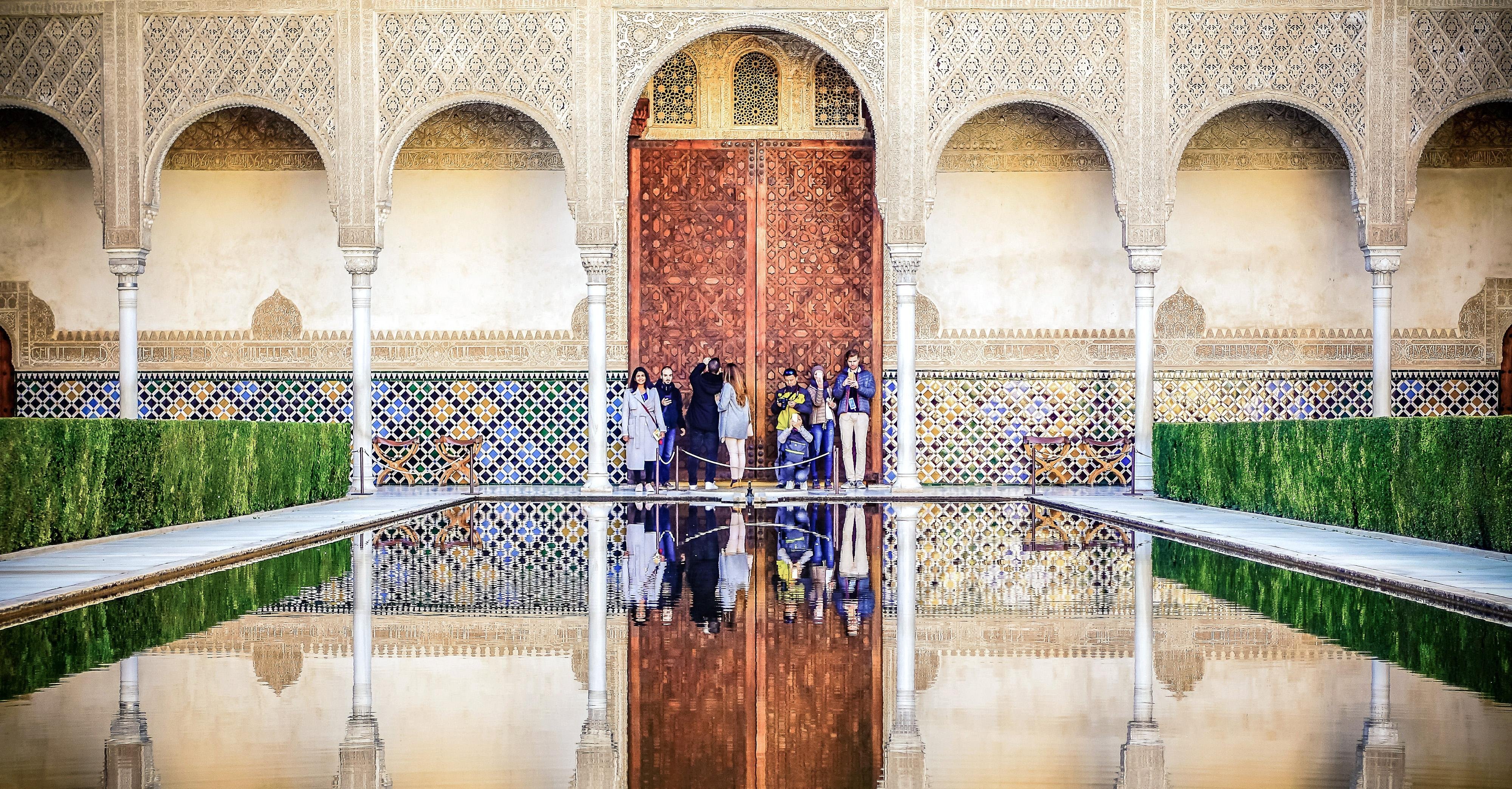
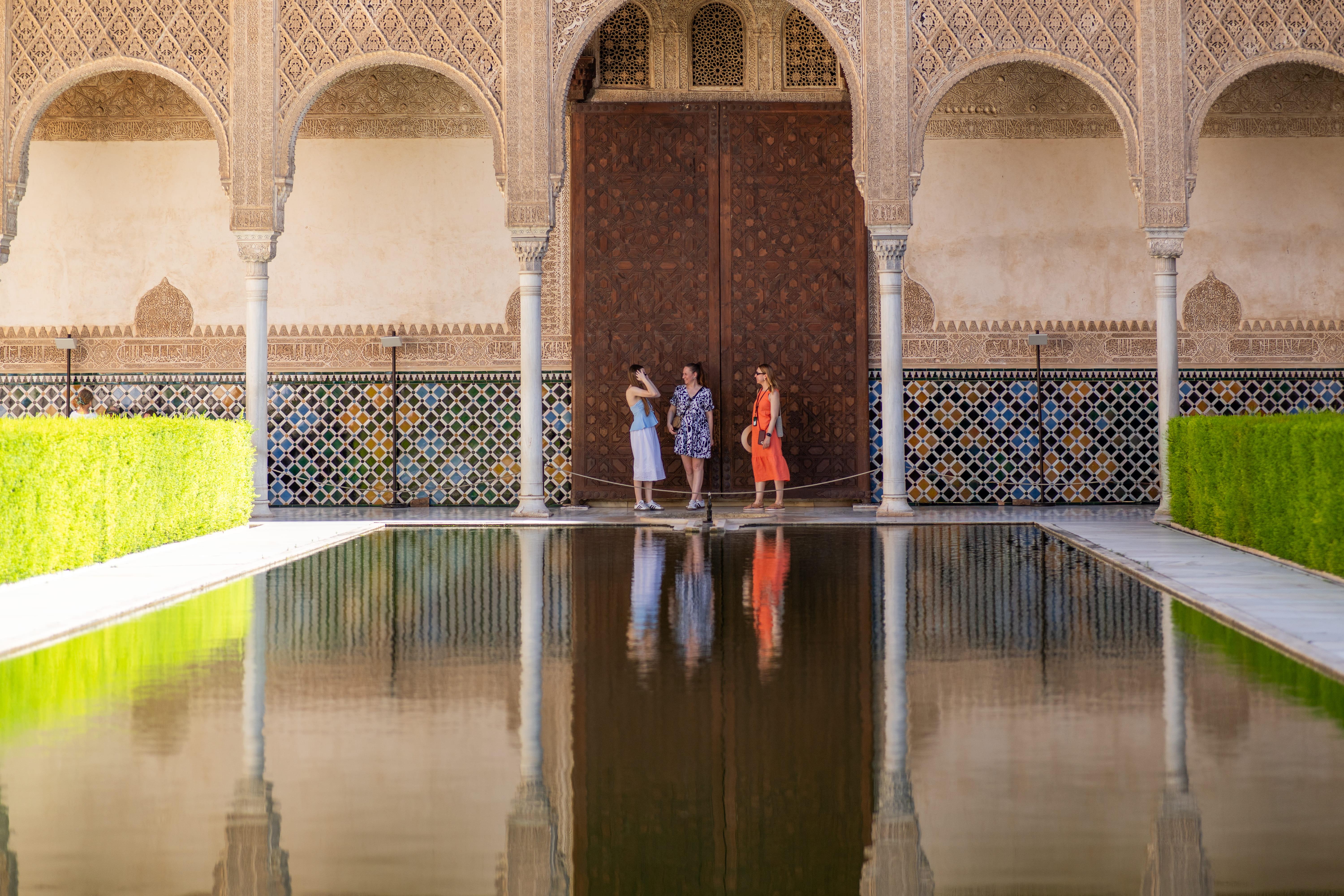
Intricate Islamic stucco and tilework defining this royal residence.
Expansive gardens and summer villas showcasing Moorish landscape design.
The oldest military section of the site, offering panoramic city views.
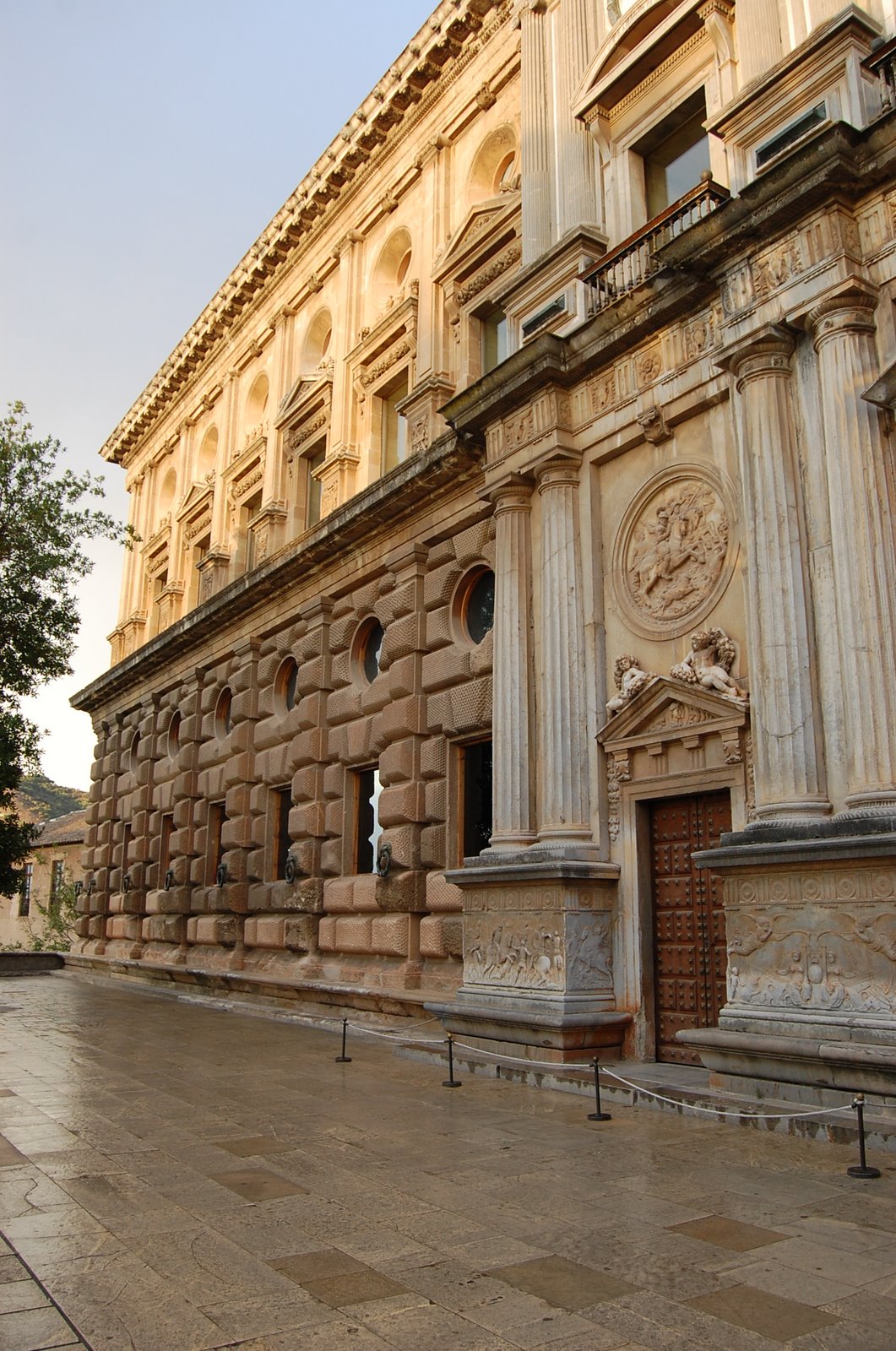
Renaissance-style structure housing museum collections and a circular courtyard.
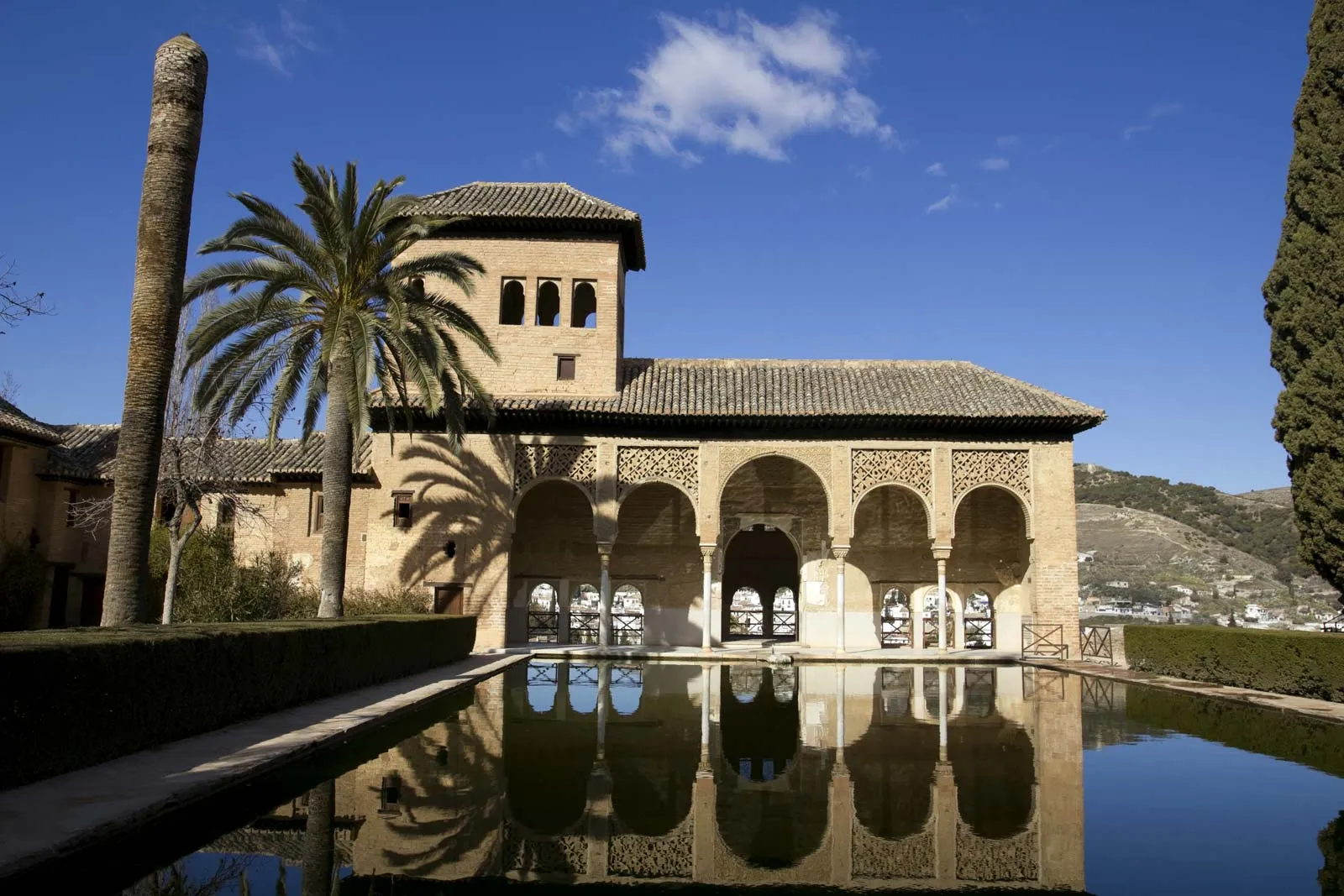
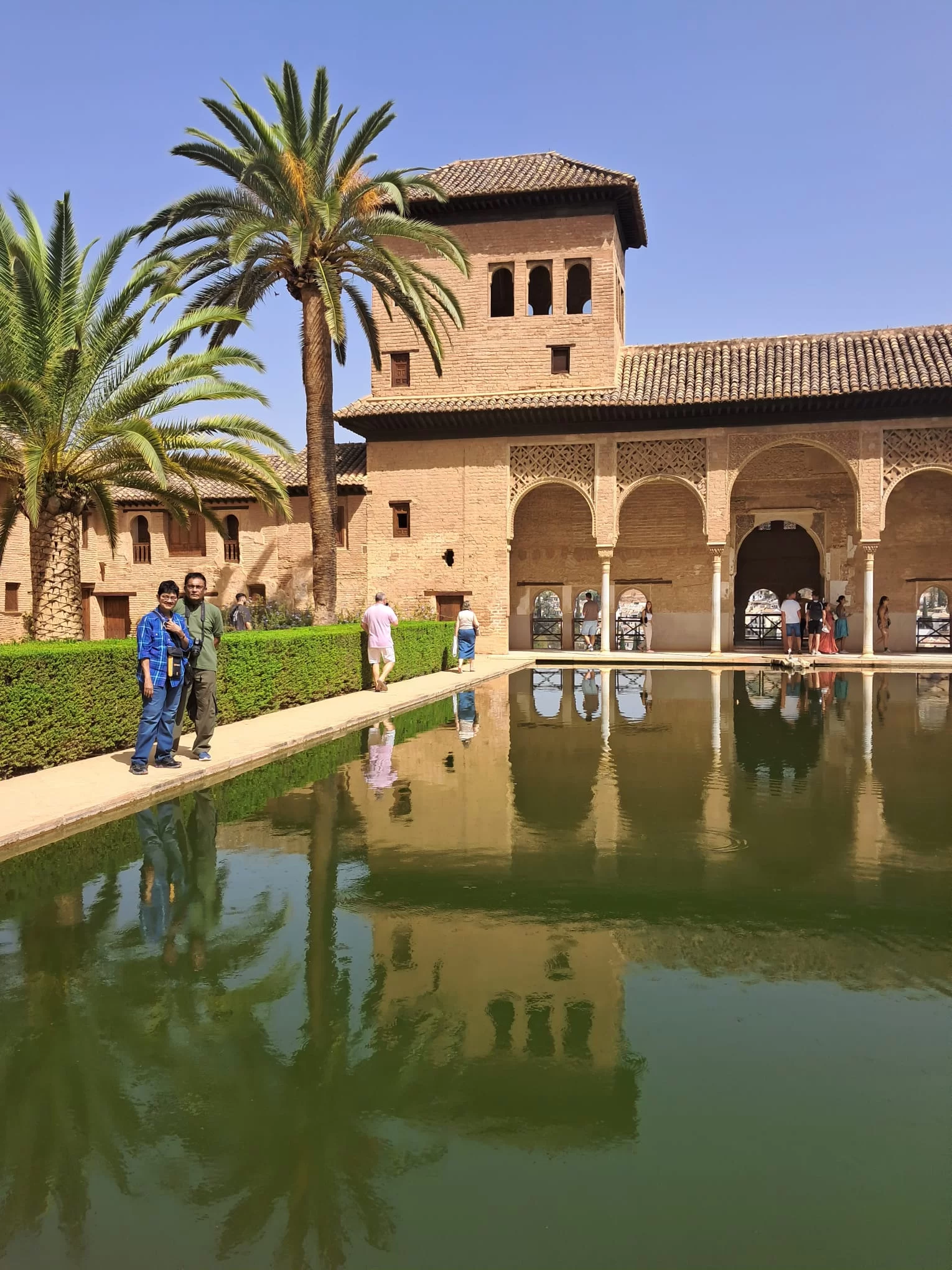
One of the oldest palaces, featuring a reflection pool and terraced gardens.
You reach the ticket pavilion on Calle Real de la Alhambra in the arrival window of 08:30–10:00, when the ramparts still hold night air and the queue has not yet folded back on itself. Your guide checks names, hands out audio receivers, and the group of a dozen moves off through the Puerta de la Justicia.
Alhambra private tour guide tickets bundle the 19.09 EUR general entry to the Monumental Complex with the timed Nasrid Palaces slot, so nothing is re-queued at the gate.
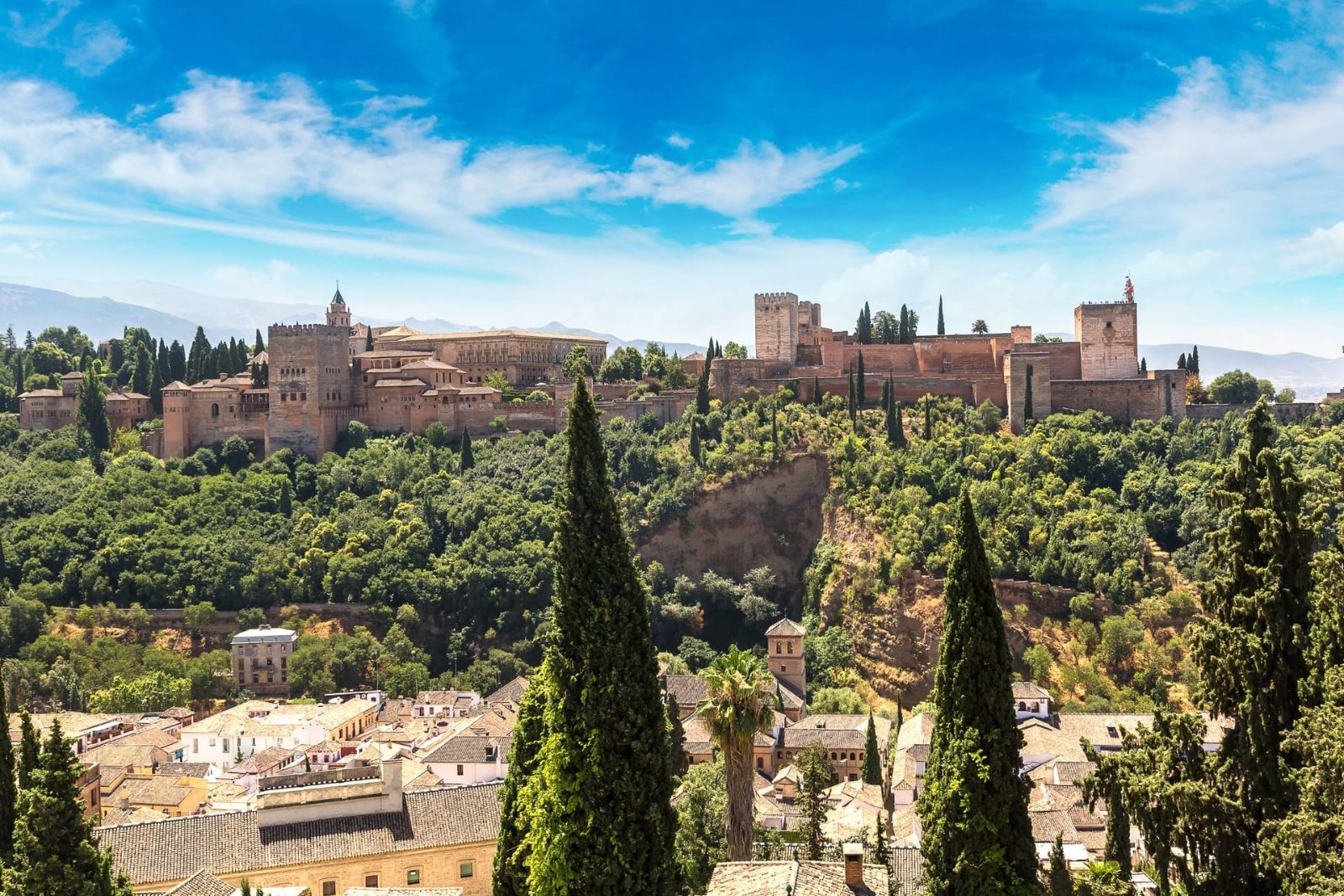
You climb the Alcazaba first. On the Torre de la Vela you turn a slow circle: the Albaicín below, the Sierra Nevada behind, the cathedral tower to the west. You descend, cross to Charles V's circular courtyard, and hear how a Renaissance drum was dropped beside a Nasrid palace.
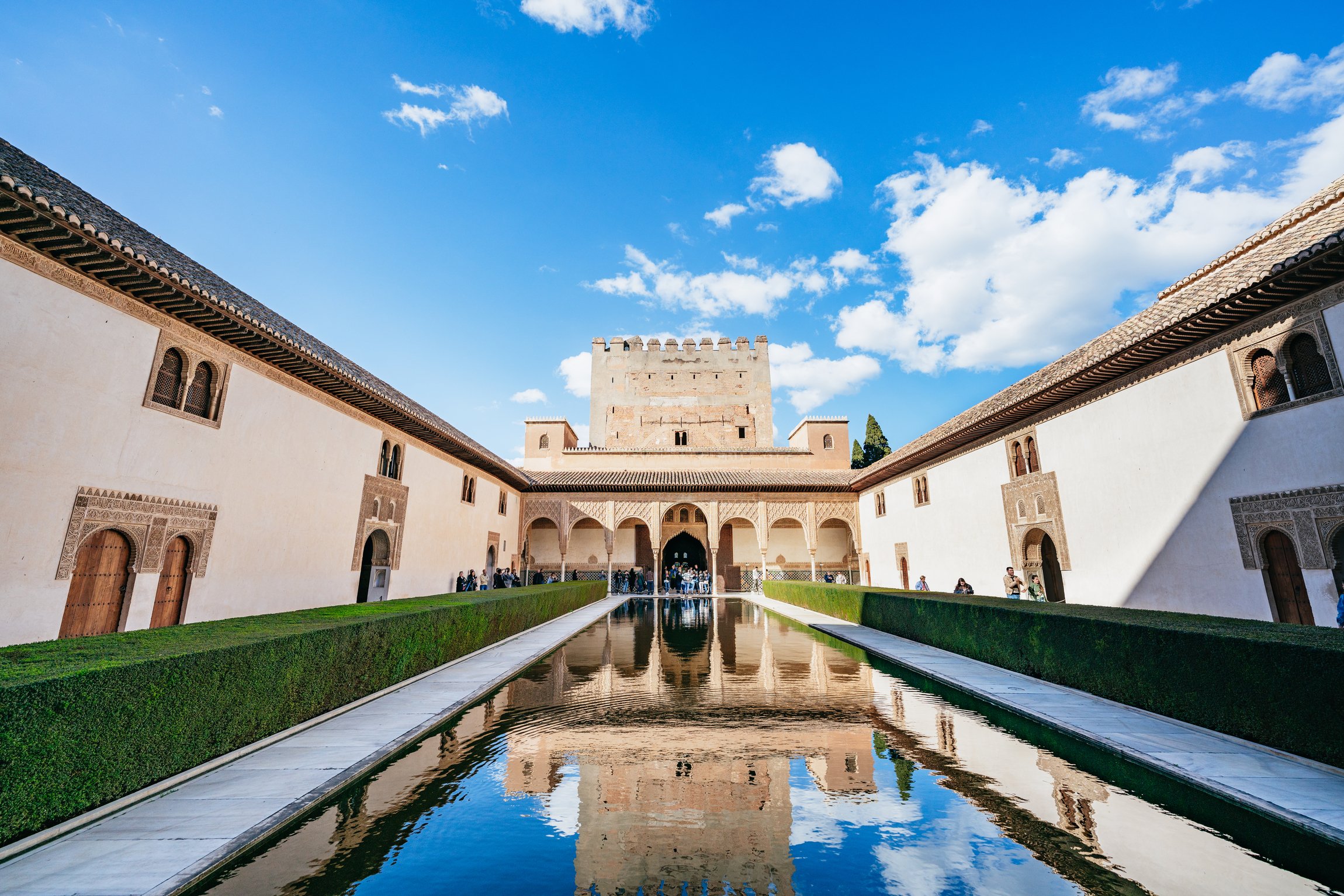
Then the palaces. You pause in the Court of the Myrtles while the pool holds an inverted arcade. In the Sala de los Abencerrajes you tip your head back for the star vault and count the eight points. Your guide reads a wall aloud in Arabic, then in translation.
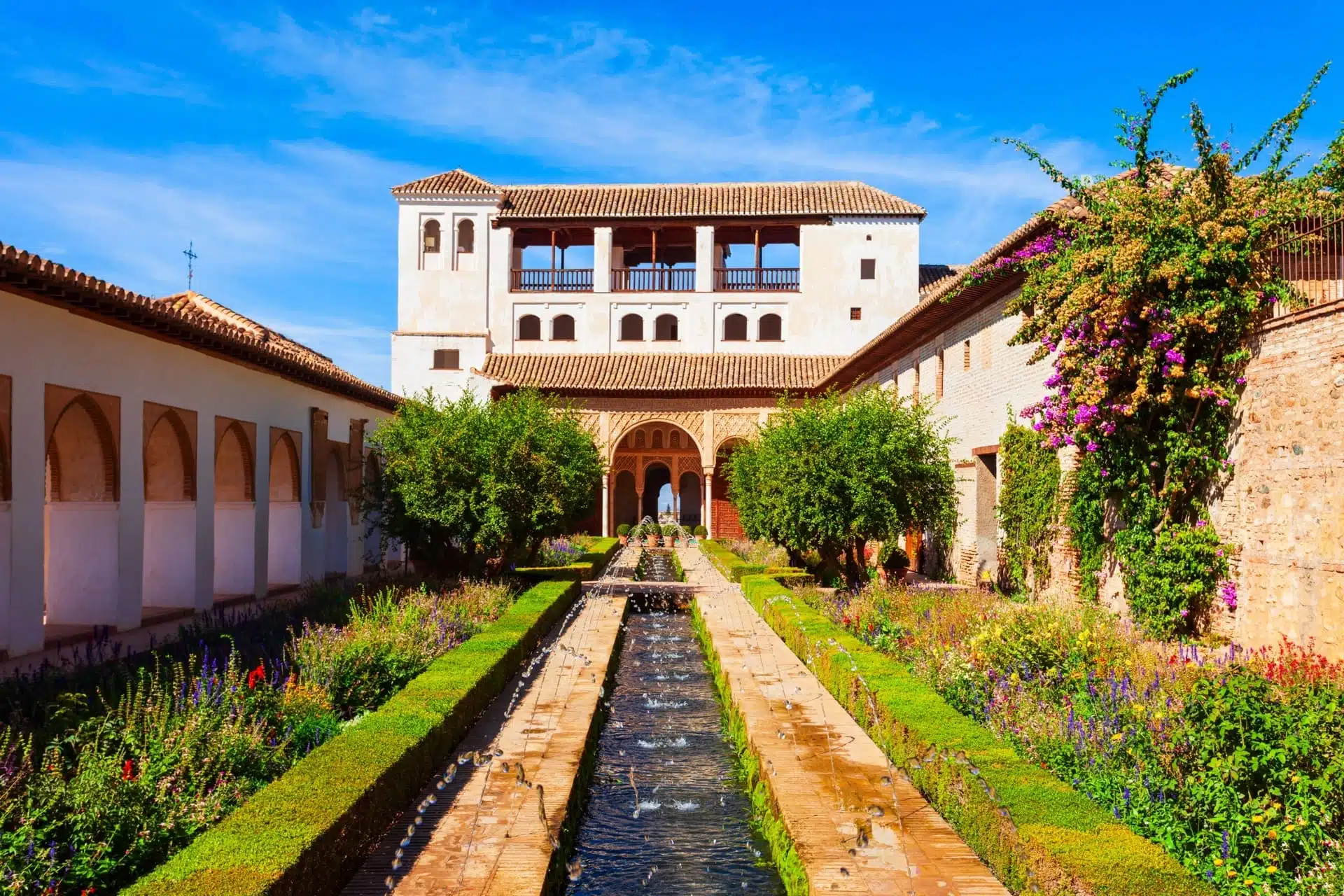
After roughly three hours the route ends in the Generalife. You walk the myrtle-lined water channel, sit briefly on a shaded bench, and hand back the receiver at the upper gate with the whole hill spread beneath you.
All the details about your upcoming adventure in one place
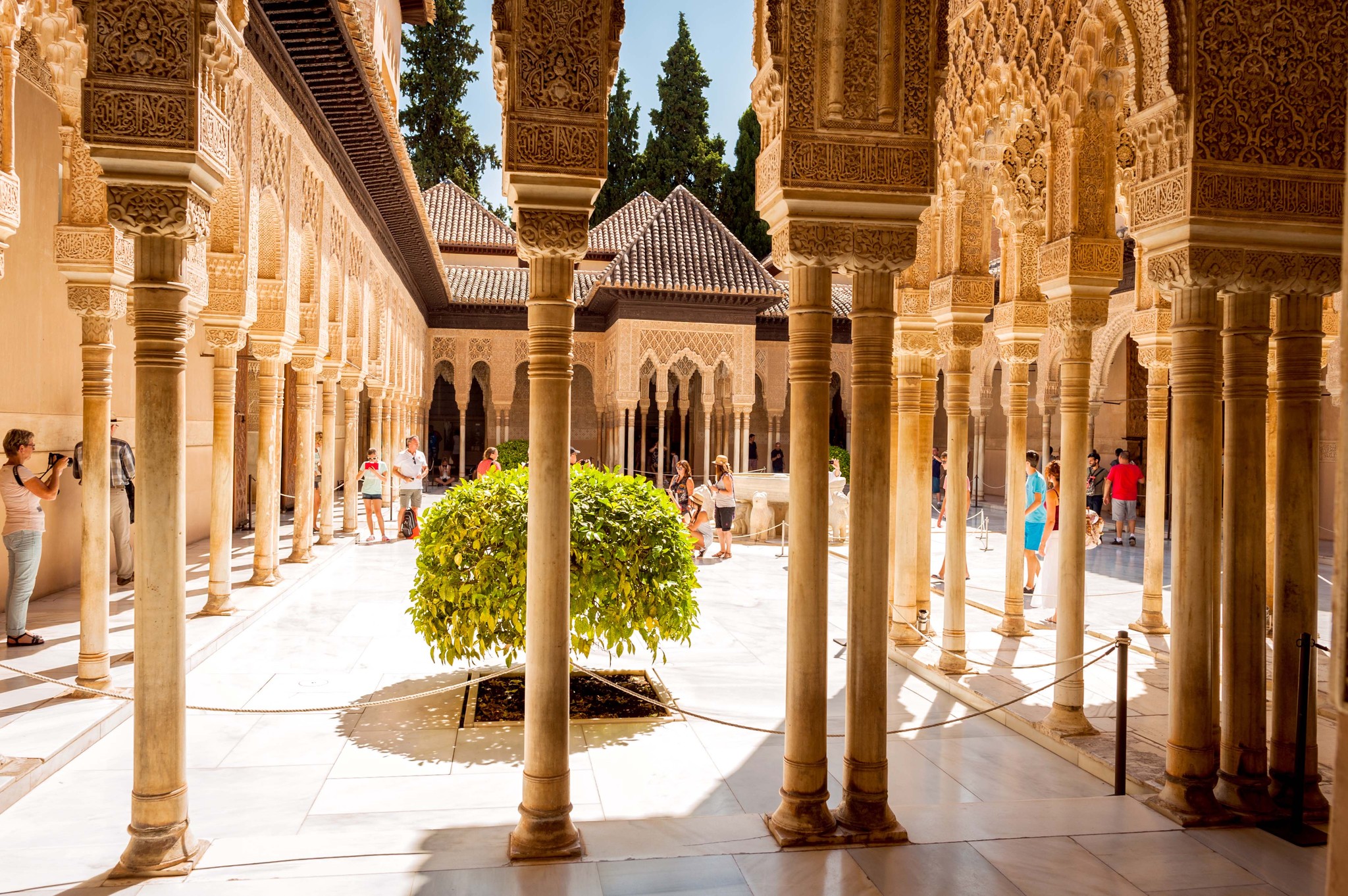
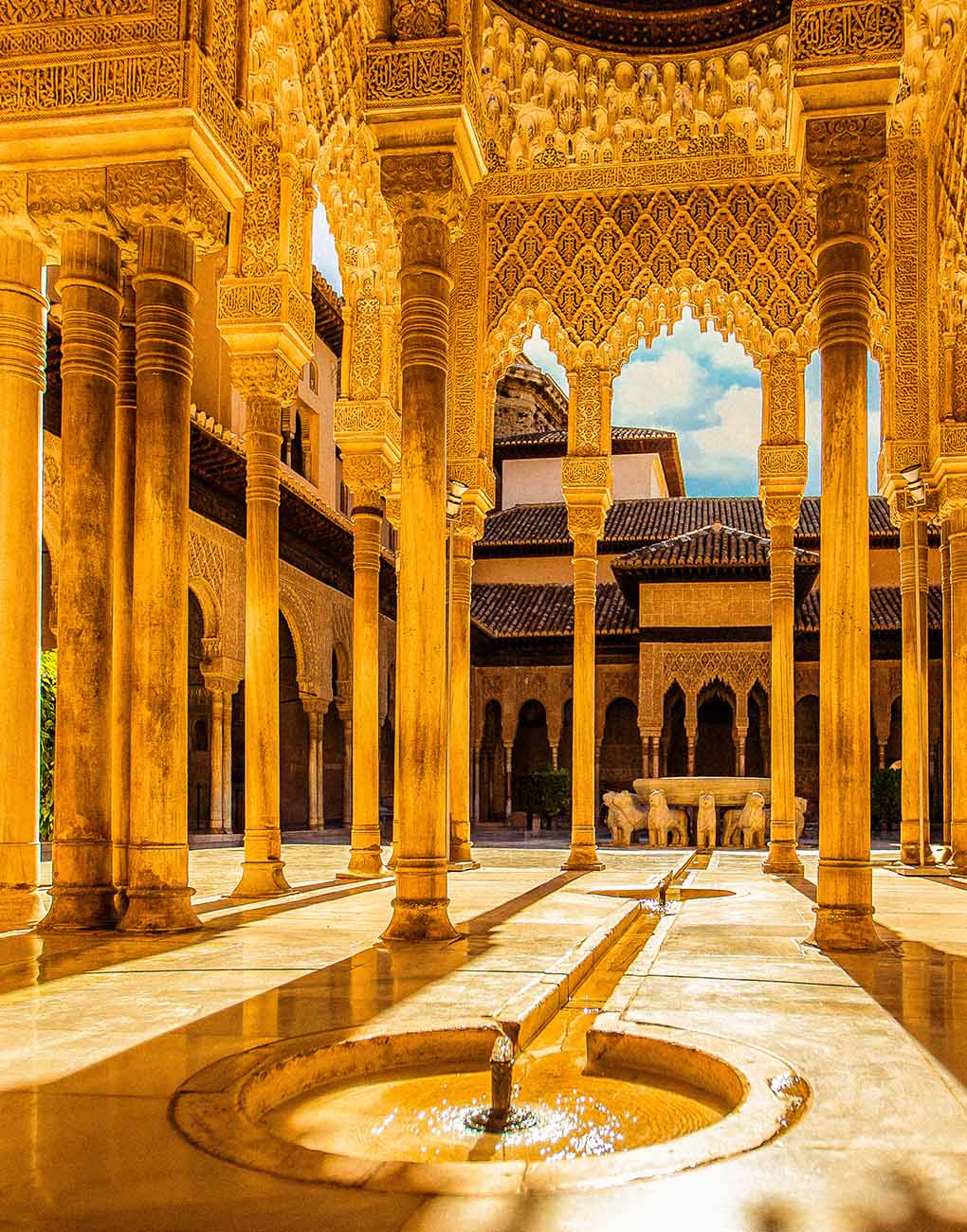
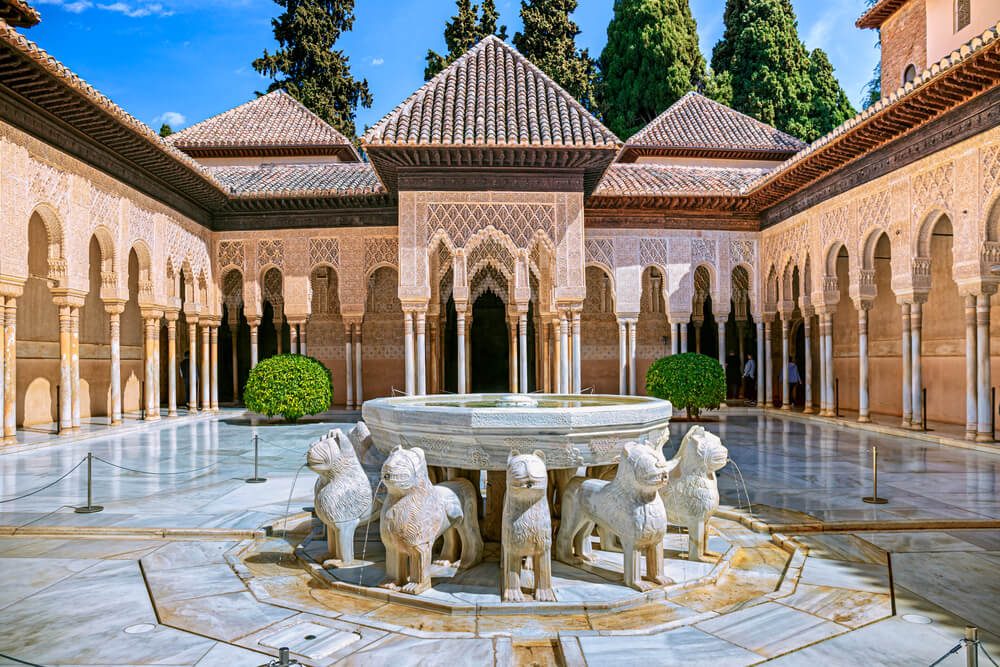
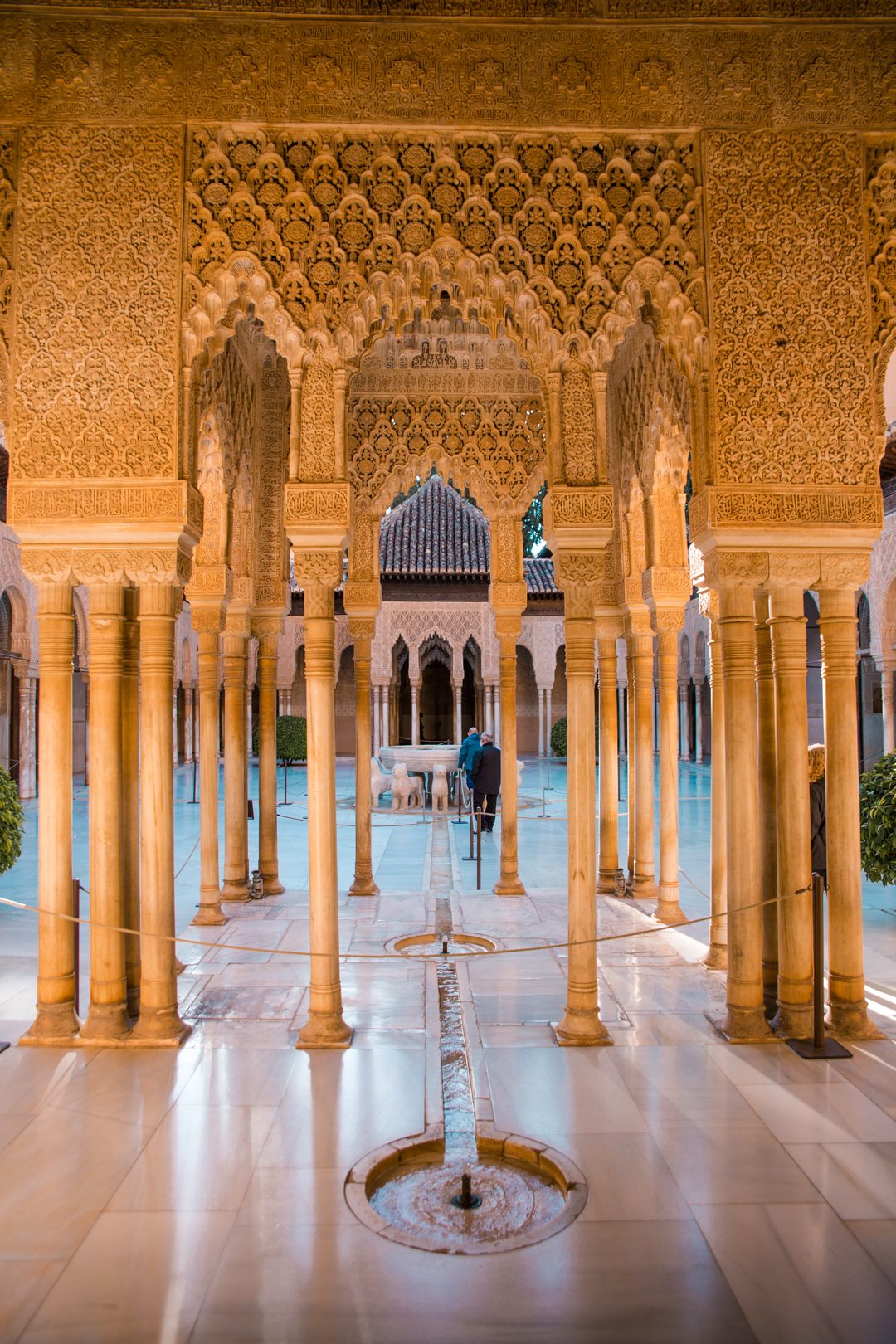
The Court of the Lions rests on twelve marble beasts whose mouths have channelled running water for more than six hundred years. That hydraulic system, fed by the Acequia Real drawn from the Darro river, still governs the rhythm of the hilltop.
An alhambra private tour guide will point to the channel before the carvings, because in Nasrid design the water came first and the architecture arranged itself around it.
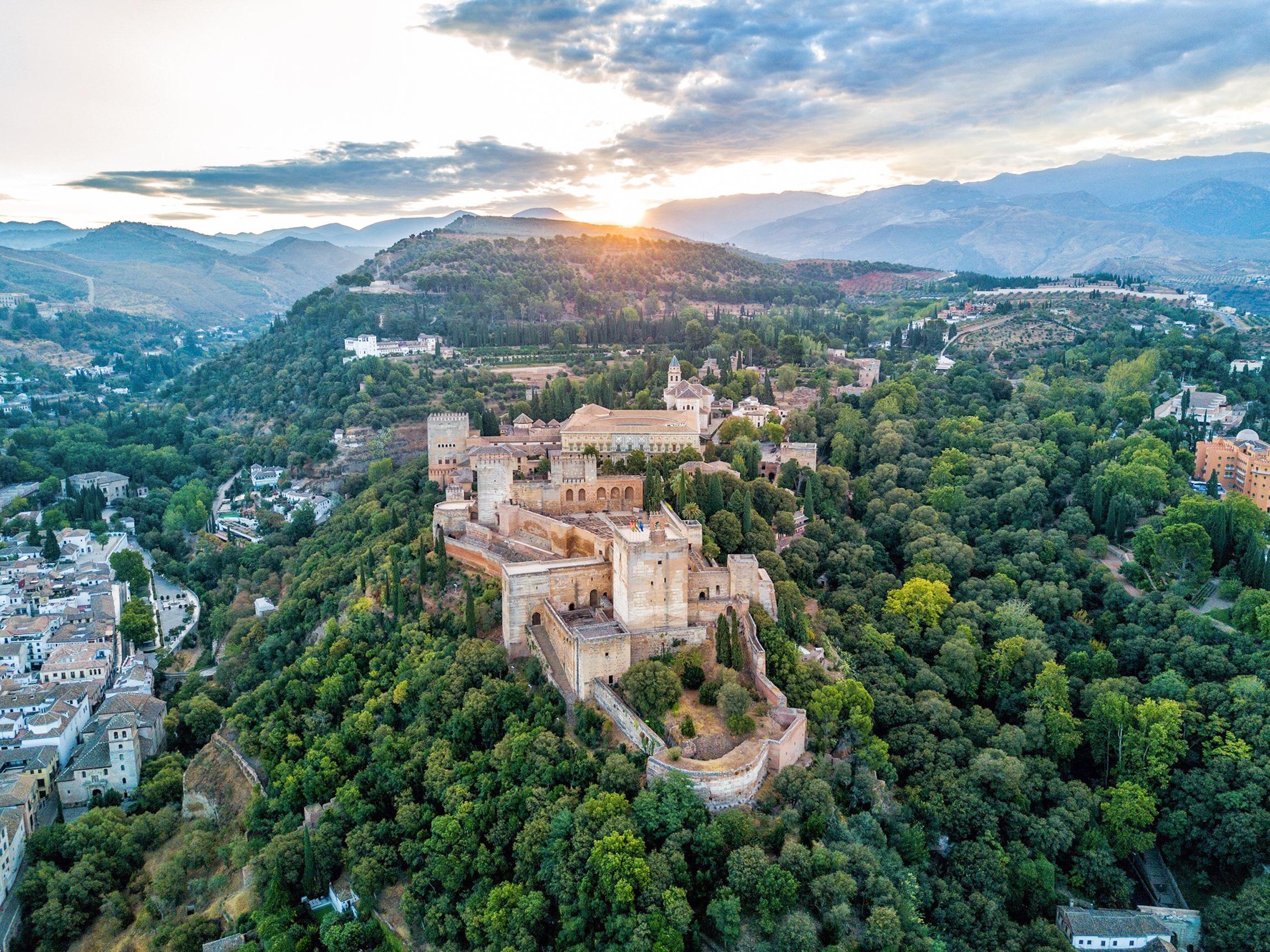
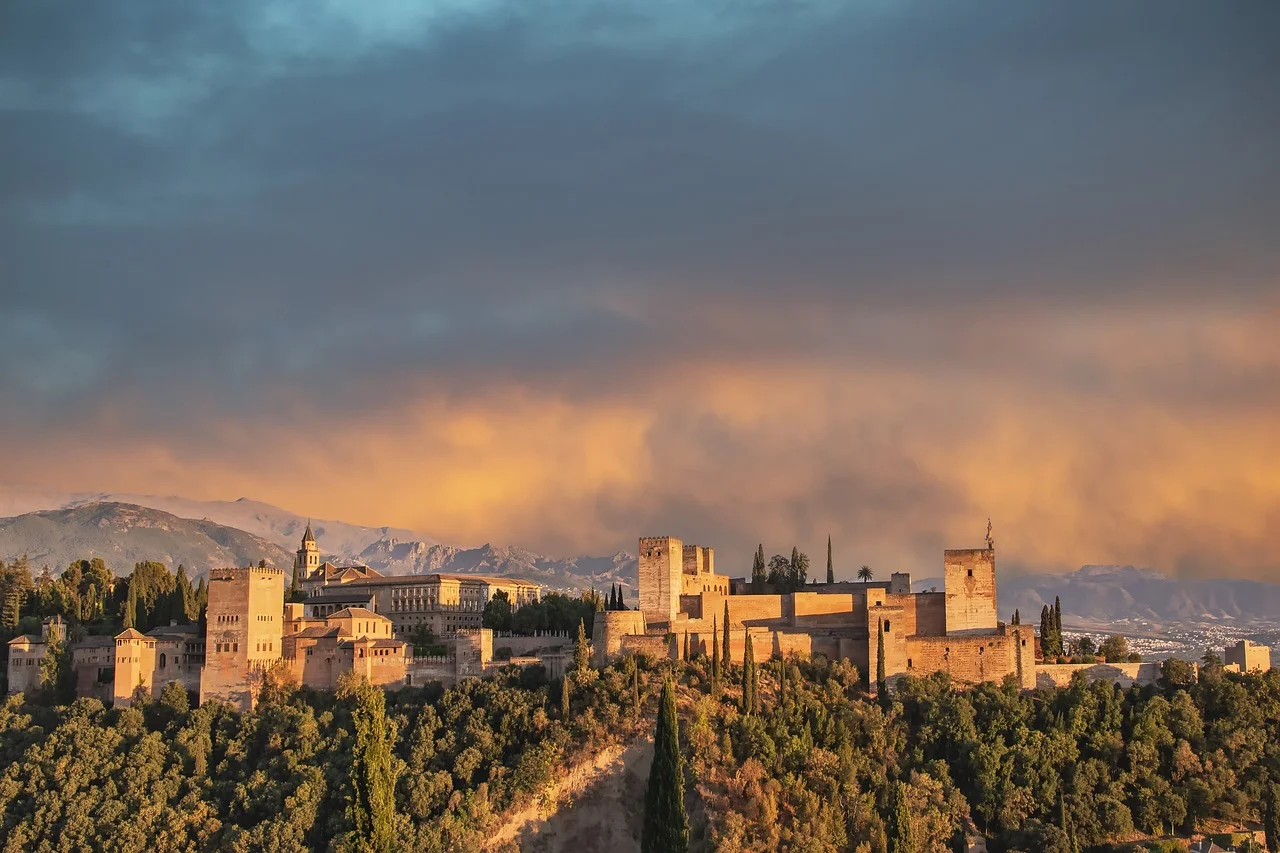
The complex crowns the Sabika hill above Granada, a fortified city rather than a single palace. Its Arabic name, al-Qal'a al-Hamra, means the red fort, a reference to the iron-rich clay of its ramparts. Muhammad I laid the first walls in the thirteenth century; Yusuf I and Muhammad V raised the palatial rooms in the fourteenth. Charles V added a Renaissance palace of circular courtyard and square plan in 1527, and the two grammars now stand thirty metres apart. UNESCO inscribed the site in 1984.
What holds visitors is not scale but surface. The Hall of the Ambassadors carries a cedar ceiling of some eight thousand pieces of inlaid wood, arranged as the seven heavens of Islamic cosmology. The Hall of the Two Sisters closes with a muqarnas vault of more than five thousand honeycomb cells, each catching light at a different angle so the dome appears to dissolve as the sun moves. Walls repeat the phrase wa-la ghaliba illa Allah — there is no victor but God — thousands of times in cursive and angular Kufic script, worked in carved plaster, glazed tile and stone. Granada Alhambra tour groups often miss it until a guide traces one line with a finger.
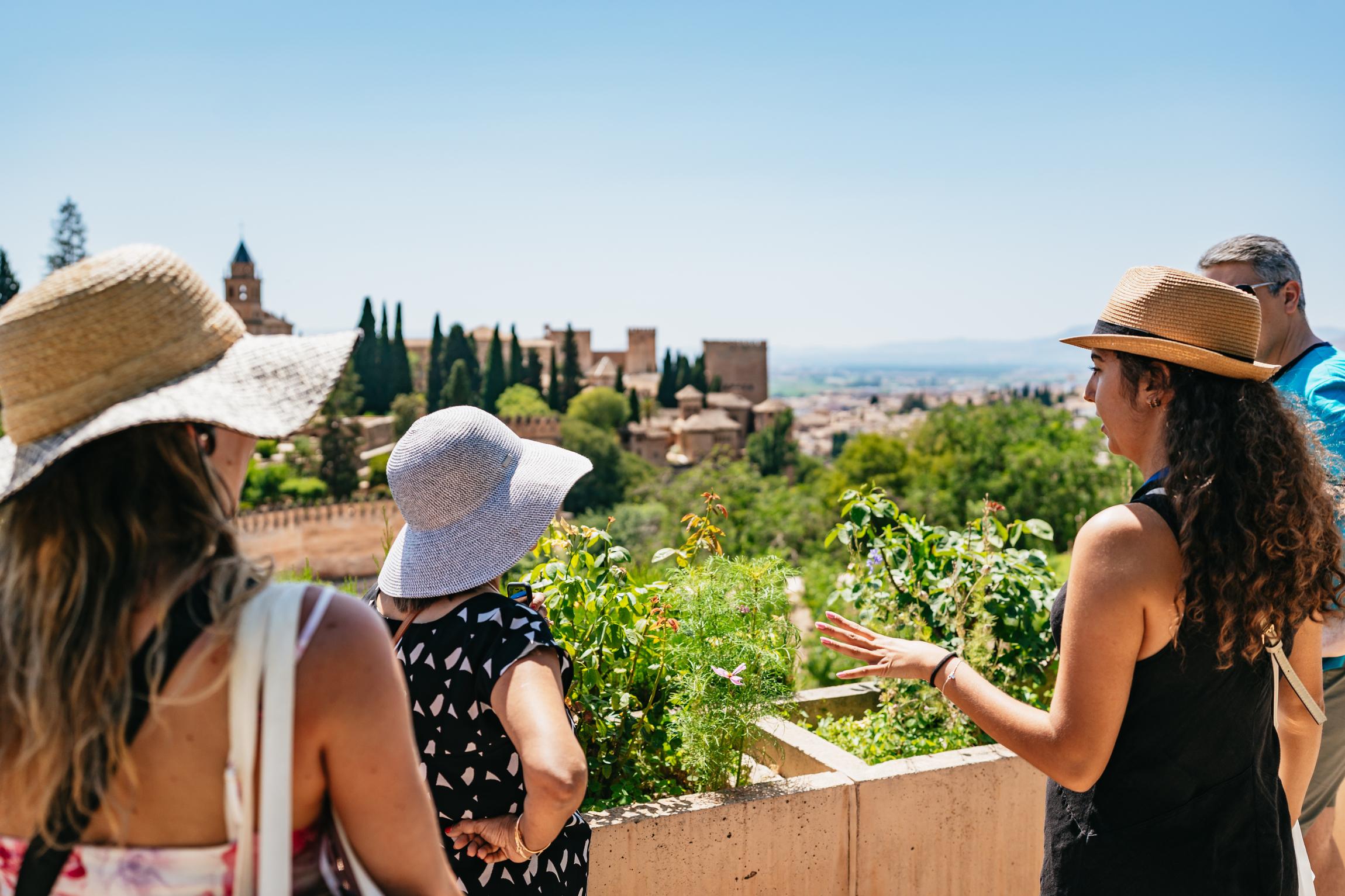
Across the ravine, the Generalife gardens served as the sultan's summer retreat, a working estate of orchards and irrigation terraces rather than ornament alone. The Patio de la Acequia runs a long pool between clipped myrtle, its arched jets a nineteenth-century addition to a fourteenth-century frame.
The Monumental Complex remains one of the most visited monuments in Europe, and the Nasrid Palaces admit visitors in timed half-hour slots to protect the plasterwork. Interpretation matters here: an alhambra private tour guide reads the epigraphy, the astronomy and the politics that a plain circuit leaves silent. That is why guided skip-the-line Alhambra formats, rather than unaccompanied wandering, dominate how the site is understood today.

In Nasrid design the water came first, and the architecture arranged itself around it.
No specific religious dress code is enforced, but comfortable, flat walking shoes are strongly recommended due to cobblestones and uneven terrain. During summer, lightweight clothing and sun protection are advisable for outdoor areas.
Bags and backpacks must not exceed 40x40cm. Larger items must be stored in the official cloakroom. If carrying a small backpack, you must wear it on your front while inside the Nasrid Palaces.
Personal photography is permitted in exterior areas and gardens. Flash photography and the use of tripods or selfie sticks are strictly prohibited throughout the entire complex.
Children must be accompanied by an adult at all times. For safety, children under 8 years old should be held by the hand in palace areas, and strollers should be left in the cloakroom.
Approximately 70% of the monument is accessible to visitors with reduced mobility. Dedicated routes exist for the Nasrid Palaces and Generalife, and wheelchair rentals are available at the site.
Consuming food or beverages is not permitted within the Nasrid Palaces or enclosed structures. You may carry a sealed water bottle, but meals must be consumed only in designated rest zones.
Opening hours
08:30–20:00 daily
Address
Calle Real de la Alhambra, s/n, 18009 Granada, Spain
Accessibility
Accessible routes available for reduced mobility
Best arrival
08:30–10:00 to avoid crowds
Cloakroom
Available for bags exceeding 40x40cm
Tickets
General entry 19.09 EUR per person
Alhambra tickets are nominative and non-refundable. Once purchased, no modifications or cancellations are permitted.
Recommended time
3 hours
A three-hour visit allows sufficient time to navigate the Nasrid Palaces, Generalife gardens, and the Alcazaba fortress. Hiring an alhambra private tour guide ensures you move efficiently between these landmarks, as skip-the-line Granada heritage tours help bypass significant bottlenecks at peak entry points. Arriving during the 08:30–10:00 window remains the most effective strategy to manage crowd density, while alhambra private tour guide tickets provide structured access to restricted areas. Visitors seeking deeper exploration may consider extended alhambra private tour guide tours, though three hours provides the ideal balance to avoid midday heat and congestion.
Crowd levels through the day
The hill was fortified long before the Nasrids. A citadel called al-Qal'a al-Hamra, the red fort, appears in ninth-century records tied to the rebel Sawwar ibn Hamdun. For centuries it remained a military outpost above the Darro, not a palace. That distinction matters, and a good alhambra private tour guide will draw it clearly at the Alcazaba's ramparts, where the earliest masonry still stands beneath later Nasrid work. The transformation began in 1238, when Muhammad I ibn al-Ahmar founded the Nasrid dynasty and moved his court to the hill. He rebuilt the Alcazaba and diverted water from the Darro through the Acequia Real, the royal channel that made courtyards, fountains and gardens possible. His successors built the residence proper. Yusuf I raised the Comares Palace and the Gate of Justice in 1348. Muhammad V completed the Court of the Lions around 1362, its stucco muqarnas and Kufic inscriptions repeating the dynastic motto, wa la ghaliba illa Allah. The Generalife, the summer estate, dates from the early fourteenth century. January 1492 ended Nasrid rule. Boabdil surrendered to the Catholic Monarchs, and Granada's landmarks passed into Castilian hands. Preservation and disruption followed together. Charles V ordered his Renaissance palace built inside the complex from 1527, demolishing part of the Nasrid winter quarters for it; the circular courtyard was left roofless for four centuries. Napoleon's troops mined the towers in 1812, and a wounded soldier's refusal to light the fuses saved the Alcazaba. Washington Irving's residence in 1829 restored the site to European attention. Restoration under Rafael Contreras and later Leopoldo Torres Balbás corrected earlier romantic excess. UNESCO inscribed the site in 1984. This density of layers is why an alhambra private tour guide earns their place: the carved epigraphy, the hydraulic engineering and the Christian overwriting are legible only with translation. The bookable alhambra private tour guide tours listed on this page cover those layers; each Granada Alhambra tour and skip-the-line Alhambra option is priced in the grid, and alhambra private tour guide tickets follow the durations shown there. Choose an alhambra private tour guide tour matched to your reading of the site.
A fortress named al-Qal'a al-Hamra is recorded on the Sabika hill above the Darro river.
Muhammad I ibn al-Ahmar founds the Nasrid dynasty and relocates the royal court to the hill.
Yusuf I completes the Comares Palace and the Gate of Justice.
Muhammad V finishes the Court of the Lions with its muqarnas vaulting and Kufic inscriptions.
Boabdil surrenders Granada to the Catholic Monarchs on 2 January, ending Nasrid rule.
Charles V begins his Renaissance palace inside the complex, removing part of the Nasrid winter quarters.
Retreating Napoleonic troops mine the towers; most charges are never detonated.
UNESCO inscribes the Alhambra and Generalife on the World Heritage list.
Stand near the center of the patio to frame the intricate marble columns and the central fountain with its geometric water channels. This iconic space is best captured by using an alhambra private tour guide to navigate the timed entry windows.
Exploring this historic Granada landmark is manageable for families when you hire an alhambra private tour guide to navigate the expansive Nasrid palaces efficiently. With careful planning, you can ensure a smooth experience as you walk through the Generalife gardens and ancient fortifications.
Due to cobblestones and stairs, use a baby carrier instead of a stroller to maintain mobility throughout the Monumental Complex. You can store prams at designated points if you book alhambra private tour guide tickets in advance.
Baby-change tables are located near the main entrance and the Justice Gate, providing necessary infrastructure for young visitors. Our alhambra private tour guide tours include stops at these convenient locations.
Children aged six and older typically engage best with the intricate carvings and tales of sultans provided by an alhambra private tour guide tour. Younger children may find the extensive walking routes tiring during the heat of August.
Expect to walk several kilometers across the UNESCO heritage site, so plan frequent breaks in the shaded garden areas. A specialized Granada monument tour helps maintain a steady, child-friendly rhythm.
Visitors booking an alhambra private tour guide will find limited dining options within the monument walls, making it wise to plan refreshments before or after your walk. Many guests choose to explore local Granada landmarks and cafes located just a short distance from the main entrance.
Located within the grounds, this historic site offers upscale Mediterranean cuisine in a formal setting, ideal for a refined meal after your alhambra private tour guide tours.
Everything you need to know for your journey
The Alhambra is open daily from 08:30–20:00. An alhambra private tour guide typically schedules visits within these hours.
Yes, an entry ticket is required for all visitors to the Monumental Complex, which costs 19.09 EUR.
Availability for an alhambra private tour guide tour depends on current inventory; we recommend booking in advance.
Small bags up to 40x40cm are allowed, but larger items must be stored at the Alhambra cloakroom.
Arriving between 08:30–10:00 is best for an alhambra private tour guide visit to avoid crowds.
You can take city bus C30, C32, or C35 to reach the Alhambra for your scheduled tour.
Yes, children are welcome on an alhambra private tour guide visit but must be accompanied by an adult at all times.
Personal photography is allowed in gardens, but flash is prohibited during an alhambra private tour guide tour.
Food is restricted to designated areas, not allowed inside the palaces during your alhambra private tour guide visit.
Tickets for an alhambra private tour guide tour are non-refundable and cannot be modified once purchased.
Join thousands of happy travelers who have discovered this incredible experience
Book Your Experience Now